What's Left After the Tree
Call now for a free on-site estimate.
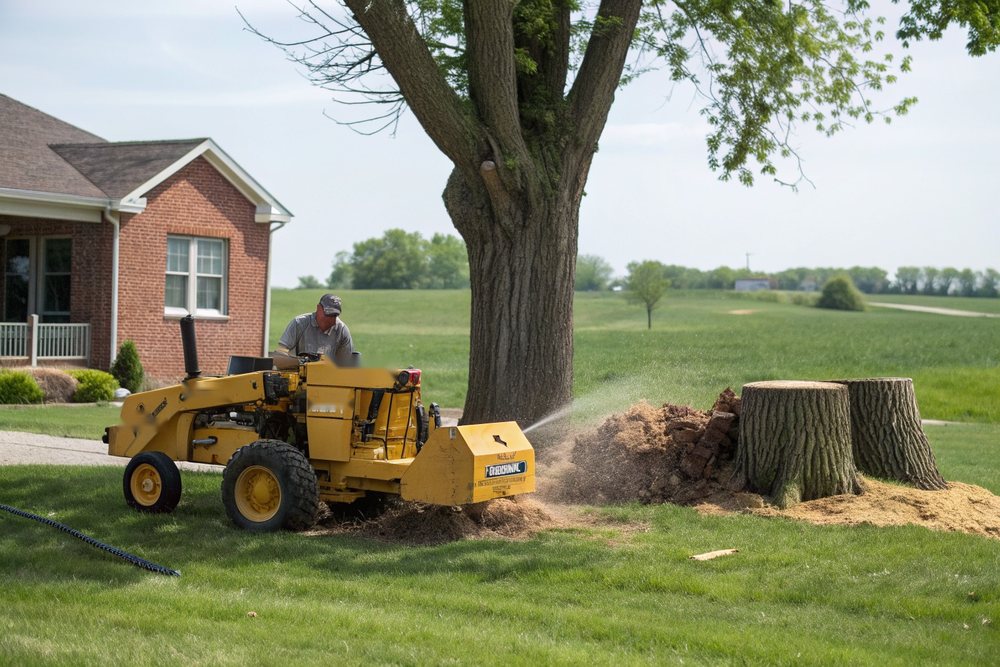
The Tree's Gone. Now the Stump.
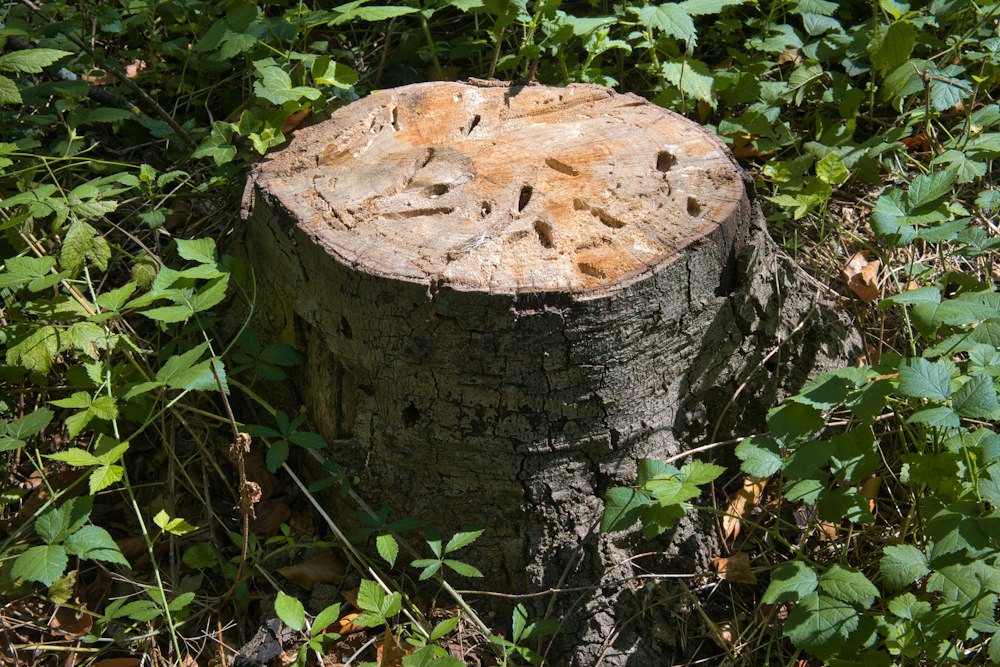
In Jacksonville, Illinois, stumps have a way of outstaying everyone's plans. They catch the mower deck, throw up a thicket of silver-maple whips every May, and after a few freeze-thaw winters go soft and fill with carpenter ants.
Morgan County Tree Co. grinds them below grade so you can seed, set a post or pour a slab like the tree was never there. We don't have to be the ones who cut the tree. Plenty of our stump jobs start with a phone call and a next-day estimate.
Where We Work
We grind stumps everywhere we remove trees: Morgan County and the nearby stretches of Cass, Scott, Greene and Sangamon counties. See all the areas we serve →
We grind right after the removal or come back later. Doing it with the removal costs least, since the crew's already in your drive.
The borer-killed ash that got cut and never finished, the knee-high maple the last owner left, the row of stumps a crew walked away from. Years later, bur oak and walnut stumps are still dense and slow to grind, and we price them that way.
Bur and white oak stumps are wide, hard and slow, with deep roots in the silt loam; walnut and hickory come close. Silver maple grinds fast, but the stump is huge and the roots snake under the sod. Cottonwood and dead ash go quickly. We'll tell you which you've got.
Our usual grind reaches 4 to 6 inches under the surface, plenty for new grass. Building a fence, shed or drive on the spot, or tired of maple roots in the mowing line? We'll go deeper and chase roots, priced on its own line.
Cost Planning
| Job | Typical cost range |
|---|---|
| Single stump (by diameter) | $100–$400 |
| Each additional stump | $50–$150 |
| Surface-root chasing / deep grind | $75–$200 extra |
Ranges are typical for west-central Illinois based on published industry cost guides; your written estimate reflects your specific tree and site.
Diameter drives the price, and we measure at ground level across the root flare. A silver-maple stump that looks 24 inches on top can measure 40 where the grinder works. Wood type, how the machine gets in, and anything buried nearby matter too. The estimate is free and in writing.
Our deep prairie silt loam has almost no rock, so the grinder cuts clean. It does hold spring water, and a heavy machine ruts a soft lawn. We plan the route, lay mats when it's wet, and call JULIE for a locate first.
A grinder throws chips hard. We keep guards up and the area clear, and our insurance, on file with the city clerk under § 27-1, covers your siding, windows and the neighbor's truck.
Diameter, wood and depth get settled at the estimate. What's on the sheet is what you pay.
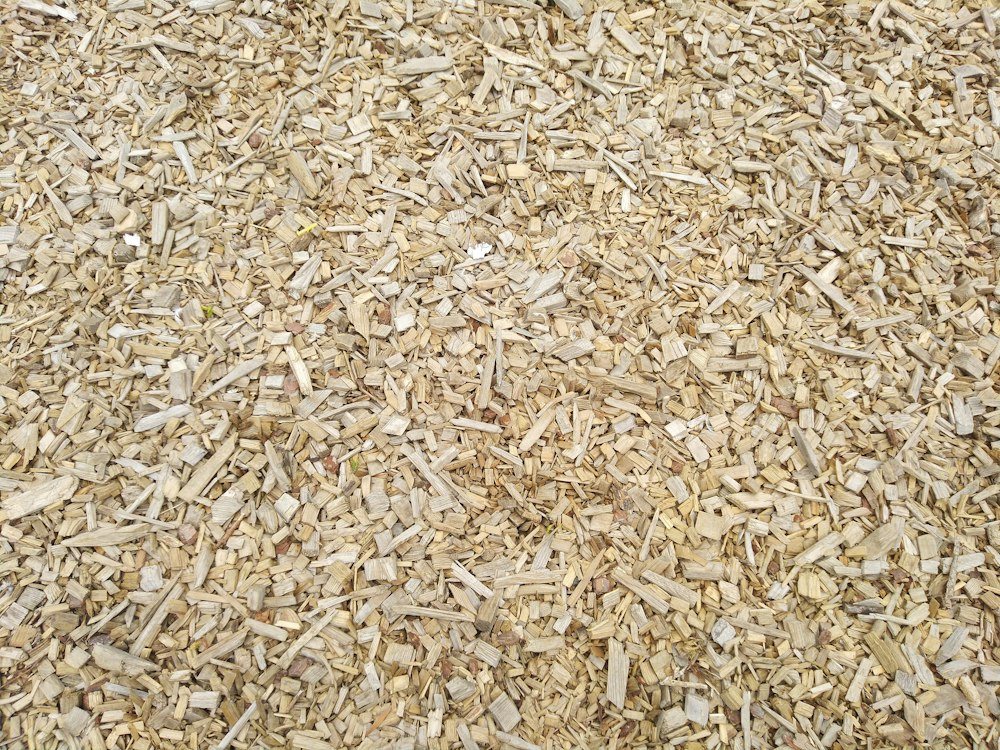
Stump below grade, hole backfilled, spot raked for seed. We'll haul the grindings if you'd like. The city drop-off is residents-only under § 12-85, so hauling is on us.
How It Works
You can, but it rarely stays a stump here. Silver maple, cottonwood and hackberry stumps sprout into a shrub, dead-ash stumps rot and draw carpenter ants, and a bur oak stump sits in the mowing line like a curb. The Tree Diagnosis tool has a stump option.
Up to you. Most folks have us backfill and mound them so the spot settles level over a season; silt loam settles slowly, so we leave it a bit high. Or we haul them. In Jacksonville a licensed company can't use the city drop-off (§ 12-85), and chips don't belong at the curb, in the alley or by a storm drain.
Usually, within inches of a post, sidewalk or foundation, with chip guards on the house side. Septic, gas, sprinkler and water lines get located first. A stump in the strip between sidewalk and street is city property, so under § 27-87 we'd send you to the forestry advisor.
Have a stump in the way? Call or request a free estimate.
Type your town or ZIP and we'll tell you if the truck comes your way.