Beyond a Single Tree
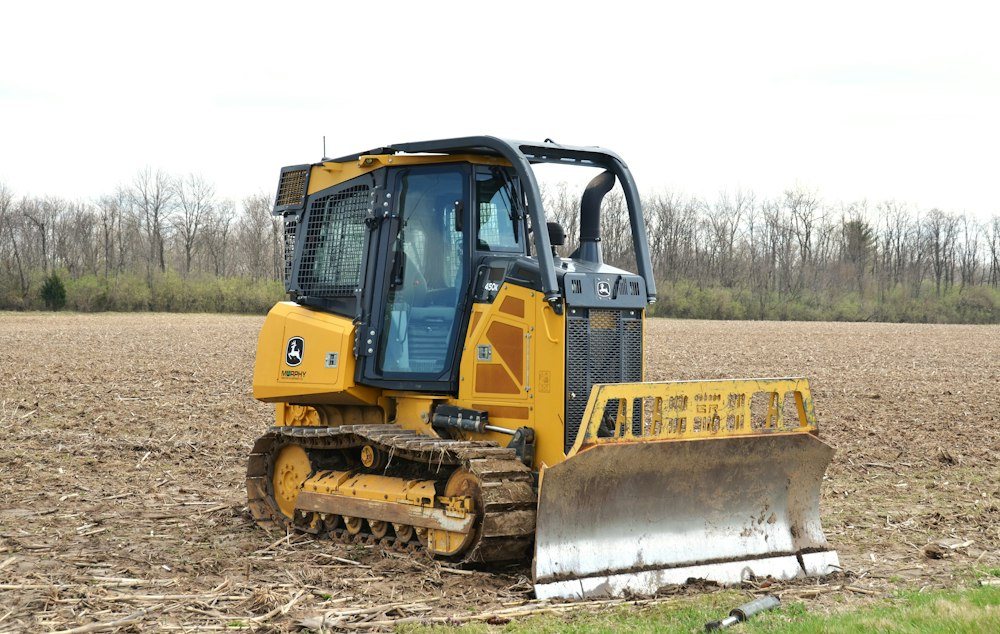
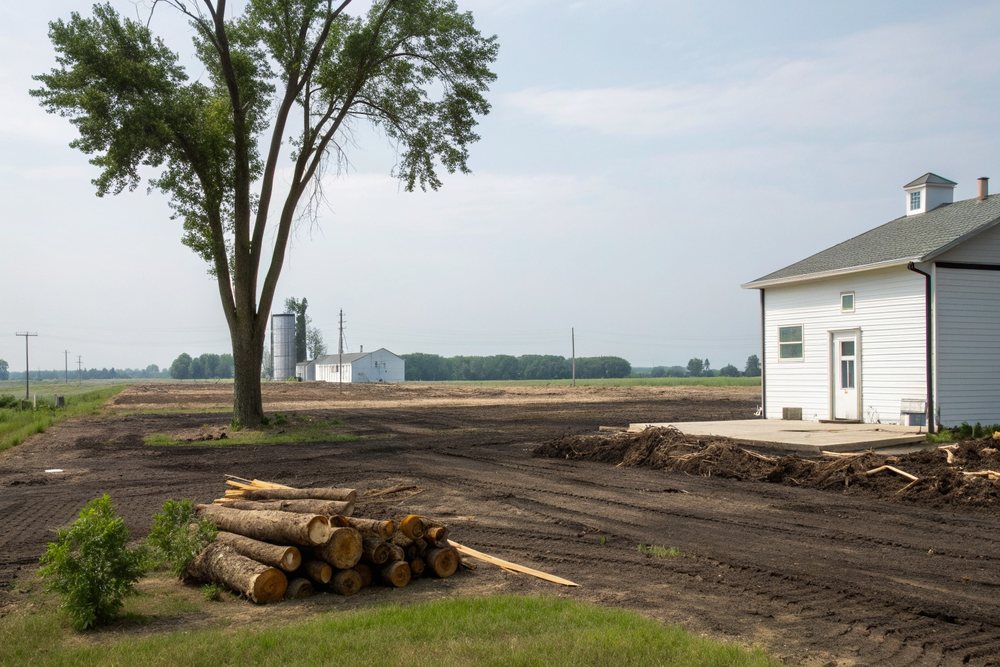
Brush, saplings, fencerows and whole farmstead groves across a lot or acreage, cleared and disposed of the way Illinois and the city allow.
What Makes This Different
In Jacksonville, Illinois, clearing your own lot doesn't start with a permit; the city's tree ordinance only reaches trees on city property or able to fall on it. It starts with two questions: how thick is the growth, and where does it go once it's cut?
Around here that's usually an old farmstead grove of silver maple, boxelder and dead ash, a fencerow gone to redcedar and mulberry, or cottonwood bottoms along Mauvaise Terre Creek. In town, it's a wooded back lot opened up for a garage or a pool.
The debris plan sets the estimate apart. In Jacksonville it's chip or haul: § 11-163 bans burning yard waste, and a recreational fire under 3 feet across won't handle an acre of brush. Out in the county, Illinois lets you burn landscape waste where it grew, under rules that vary by fire protection district, so check with yours first. We bid both ways, using a skid steer with a mulcher head, a grapple and the chipper.
Where We Work
We clear land anywhere we remove trees: Morgan County plus nearby Cass, Scott, Greene and Sangamon counties. The chip-or-haul rule is Jacksonville's. In the county your fire protection district sets burn rules, and South Jacksonville, Waverly, Virginia, Winchester, White Hall and Roodhouse each have their own code. See all the areas we serve →
Brush, saplings, volunteer maples and dead ash cleared to the footprint of a new house, garage, pool, drive or fence. Big hardwoods inside the lines get a per-tree price, and we can grind their stumps on the same trip. Any tree in the city strip or able to reach the street needs the forestry advisor's written OK (§ 27-87) first.
An old grove or windbreak full of dead ash, storm-broken maple and boxelder, taken out so the ground can go back to crops, pasture or a house site. Or a fencerow choked with redcedar, hackberry and mulberry. Wes grew up on a farm near Franklin; he knows how much root sits under a 50-year-old windbreak.
Grown-up bottomland along Mauvaise Terre Creek or toward the Illinois River bluffs, or a place where a derecho or tornado dropped several trees at once. When a storm flattens a whole grove, one pass with the mulcher and grapple beats going tree by tree.
Cost Planning
| Job size | Typical cost range |
|---|---|
| Light brush (per acre) | $1,500–$3,500 |
| Wooded (per acre) | $3,500–$8,000+ |
| Single lot under ½ acre | $1,200–$4,000 |
Ranges are typical for west-central Illinois based on published industry cost guides; your written estimate reflects your specific tree and site.
Density matters most: an acre of head-high saplings and an acre of old grove with cottonwood and walnut in it are different jobs. Wet ground counts too; rock-free silt loam turns to mud in a wet spring, and creek bottoms stay soft long after the fields dry. Mulching in place is usually the cheapest finish, and a full haul-off costs most but leaves bare dirt. We walk it with you and write up the price.
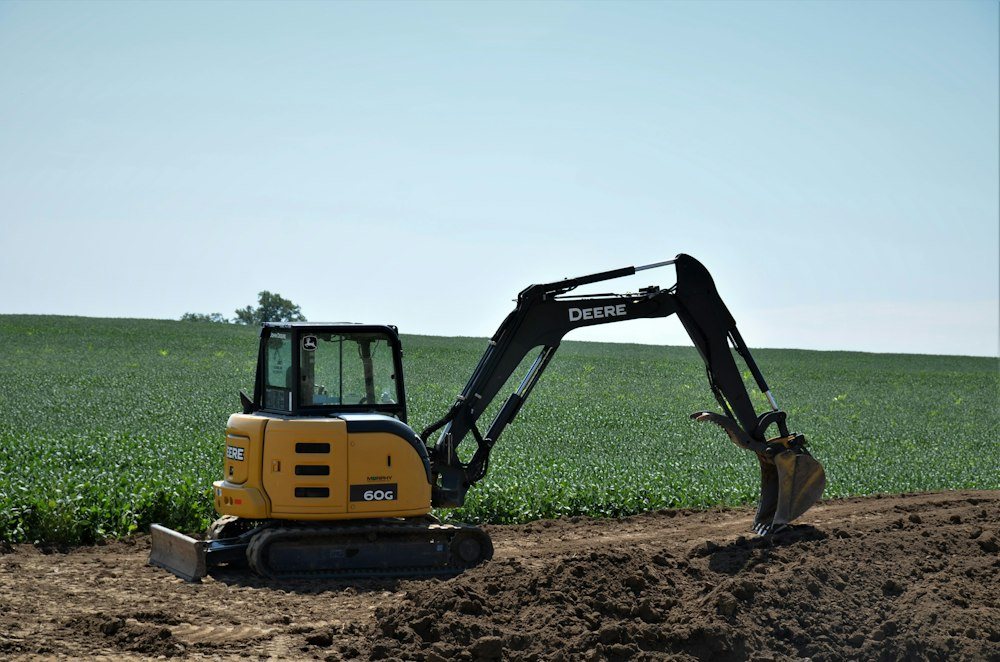
Mulching is faster than hand-clearing and leaves a cleaner grade. The chipper and grapple take what the mulcher shouldn't, like a three-foot cottonwood trunk or a walnut log worth saving.
No burn pile in town (§ 11-163), and no city drop-off for licensed companies (§ 12-85). We plan on the chipper and truck from day one and tell you what that does to the price.
Mulch it, haul it, or keep the firewood; oak, hickory and walnut burn well. Nothing gets buried, and no cut trees are left lying around to earn a § 12-5 notice with its 10-day clock.
Regrowth is quick in this soil. Jacksonville counts weeds and “undesired growth,” saplings included, over 6 inches as a violation (§§ 27-59, 27-60), with a 5-day notice before the city mows and bills. We'll talk mowing, seed or grading, and can grind stumps so it mows clean.
Not for trees wholly on your own lot. Only trees on city property, or able to fall onto it, need the forestry advisor's written OK (§ 27-87); on a street-facing lot that's usually one or two up front. The city does regulate debris and regrowth, and the crew needs a § 27-1 license. See our permits guide.
Either works. Mulching in place is usually cheaper; hauling costs more and leaves a bare, tidy site. In Jacksonville those are the only two, since § 11-163 limits branch burning to a small recreational fire and the city drop-off won't take a contractor's debris. On county acreage, ask your fire protection district about burning.
Removal is priced tree by tree. Clearing is priced by ground covered, how thick it is and how big the mixed-in trees are, with the debris plan as its own line. Anything under half an acre gets a single-lot price instead of a per-acre one.
Book a free walk-through of the whole piece, and we'll settle the debris plan before the price.
Type your town or ZIP and we'll tell you if the truck comes your way.